
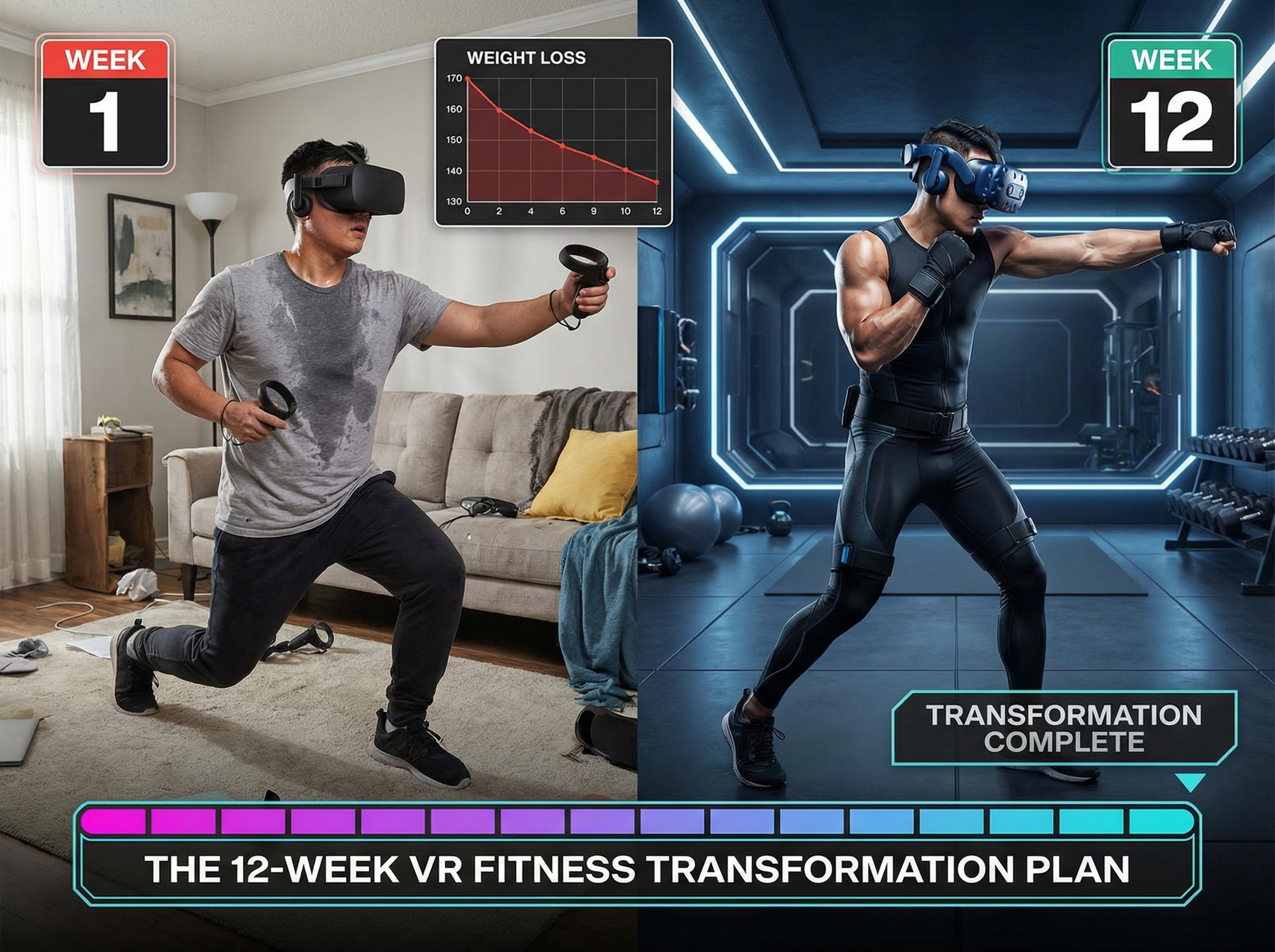
Last Updated on: 15th February 2026, 12:24 am
New to VR workouts? Start here first: Getting Started With Virtual Reality Fitness. If you’ve already tried VR fitness and want a real plan (not random sessions), this is your 12-week structure.
Most people don’t “fail” VR fitness — they just run it like a casino. Some days hard. Some days nothing. No progression. No recovery plan. No consistency. This program fixes that with a simple reality: results follow repeatable training.
TL;DR (Read This If You’re in a Hurry)
- What it is: a structured virtual reality workout program that builds cardio + strength endurance + recovery.
- How to start: one baseline week, then Weeks 1–4 build tolerance and habit.
- Weekly schedule: choose 3, 4, or 5 days/week and follow the progression rules.
- How you progress: time first, then intensity, then challenge blocks.
- Why it works: consistency + progression + deload weeks (so your body actually adapts).
What Is the 12-Week VR Fitness Transformation Plan?
It’s a 12-week progression designed to answer two questions people actually search: “What is the 12-week VR fitness transformation plan?” and “How do I start it?”
Each phase has a job: Foundation builds tolerance and consistency. Build increases volume and strength endurance. Performance sharpens intensity and gives you structured VR fitness challenges that don’t wreck recovery.
How to Start the 12-Week Plan (Baseline Week)
Before Week 1, run a baseline week. This makes your plan realistic instead of ego-based.
-
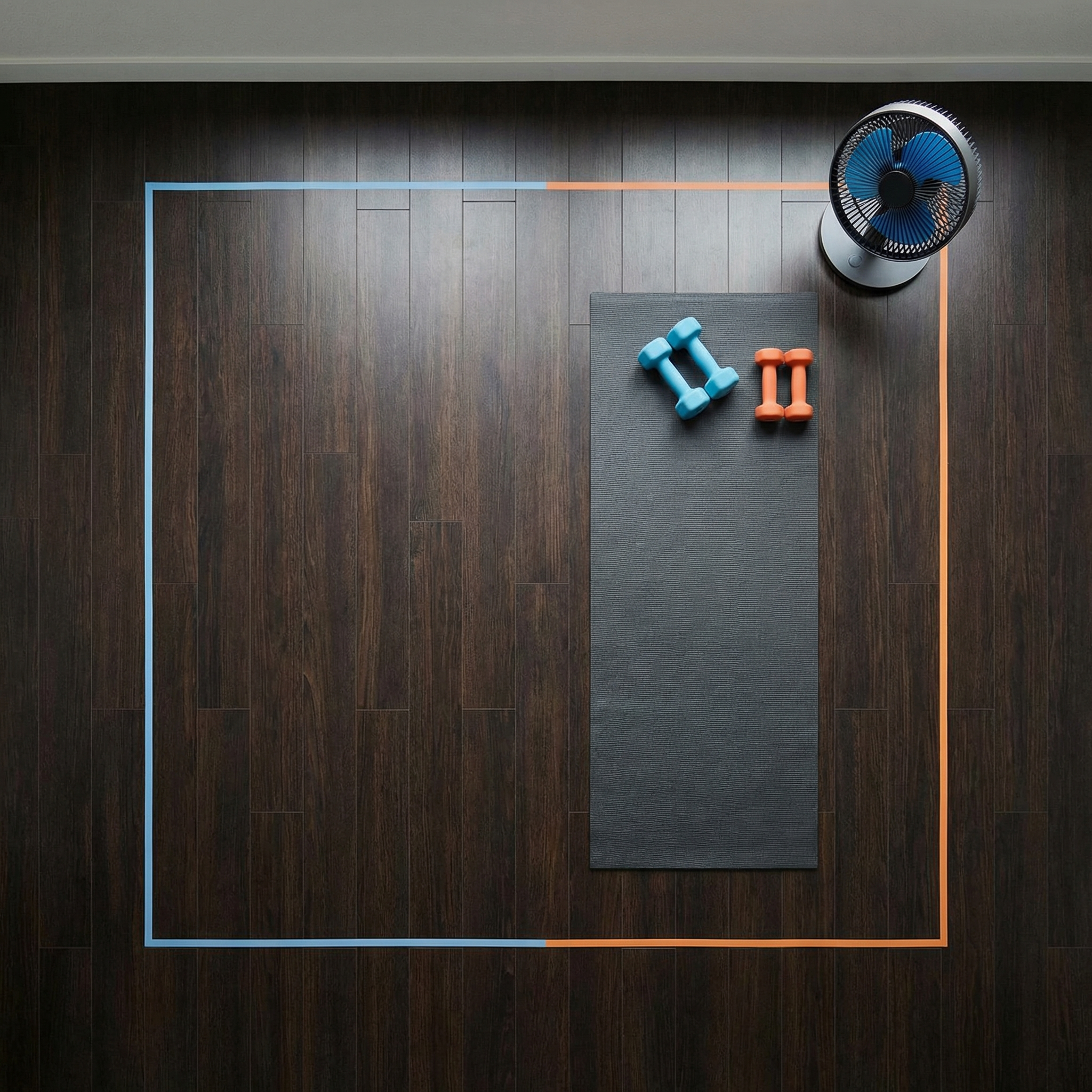
Step 1: Lock your play space
Clear obstacles, set boundary properly, and place a fan if you’re prone to motion discomfort. This is not optional.
-
Step 2: Choose one “core app” for 4 weeks
App hopping kills progression. Pick one main app and commit for the Foundation phase. If you’re on Quest and want a solid lane: Meta Quest 3 + FitXR.
-
Step 3: Do 3 sessions at a 6–7/10 effort
You should finish thinking “I could do that again tomorrow.” If you finish crawling, you went too hard.
-
Step 4: Track 4 simple metrics
Session length • Effort (1–10) • Next-day soreness • Motion comfort. This is how you get fit with VR without guessing.
Program Overview (Phases + What Changes)
| Phase | Weeks | Main Focus | What You’ll Notice |
|---|---|---|---|
| Foundation | 1–4 | Consistency, form, tolerance, steady conditioning | Less soreness, better stamina, fewer “skip weeks” |
| Build | 5–8 | More volume, structured intervals, strength endurance blocks | Higher output, faster recovery between rounds |
| Performance | 9–12 | Progression, challenges, measurable improvement | Hard sessions feel doable, not terrifying |
Weekly Schedule Templates (Pick 3, 4, or 5 Days)
Day 1: Intervals (boxing/dance/HIIT)
Day 2: Strength endurance (lower + core)
Day 3: Mixed conditioning + longer cooldown
Day 1: Intervals (hard-ish)
Day 2: Strength endurance (upper + core)
Day 3: Steady conditioning (moderate)
Day 4: Mixed conditioning + mobility
Day 1: Intervals (hard)
Day 2: Strength endurance (lower)
Day 3: Steady conditioning (moderate)
Day 4: Strength endurance (upper + core)
Day 5: Challenge day + longer cooldown
The 12 Weeks (Week-by-Week Progression)

Use your chosen template (3/4/5 days). The weekly targets below tell you what to change as you progress.
-
Week 1: Show up
3–4 sessions. 15–25 minutes. Keep effort 6/10. Learn movement quality and VR comfort.
-
Week 2: Add minutes
Add 5 minutes to two sessions. Keep intensity moderate. Focus on breathing control and consistent pacing.
-
Week 3: First interval taste
One session becomes intervals: short hard bursts (20–40 sec) + longer easy recovery. Effort touches 7–8/10 briefly.
-
Week 4: Deload + form lock
Reduce session length or intensity ~20%. Perfect your movement, footwork, and recovery habits.
-
Week 5: Build phase starts
Increase total weekly minutes. Add one strength endurance block (longer rounds, controlled tempo).
-
Week 6: Volume + recovery
Add one moderate steady session (no max effort). Your body improves when you recover between harder days.
-
Week 7: Second interval session
Add a second interval-focused session if recovery is good. If not, keep one interval day and improve time instead.
-
Week 8: Deload + assessment
Downshift ~20%. Re-test comfort and recovery. If your joints are cranky, this is where you fix it.
-
Week 9: Performance phase begins
Choose one measurable challenge (same routine/class) and repeat weekly to track improvement.
-
Week 10: Progression week
Add time OR intensity (pick one). Example: +5 minutes on steady day OR slightly harder interval work.
-
Week 11: Peak consistency
Keep schedule identical. Make it boring on purpose. This is where results stack because you stop improvising.
-
Week 12: Deload + prove it
Reduce volume early week, then do a final benchmark session. Compare Week 1 vs Week 12 (recovery + output + comfort).
Tracking Progress (What to Measure)
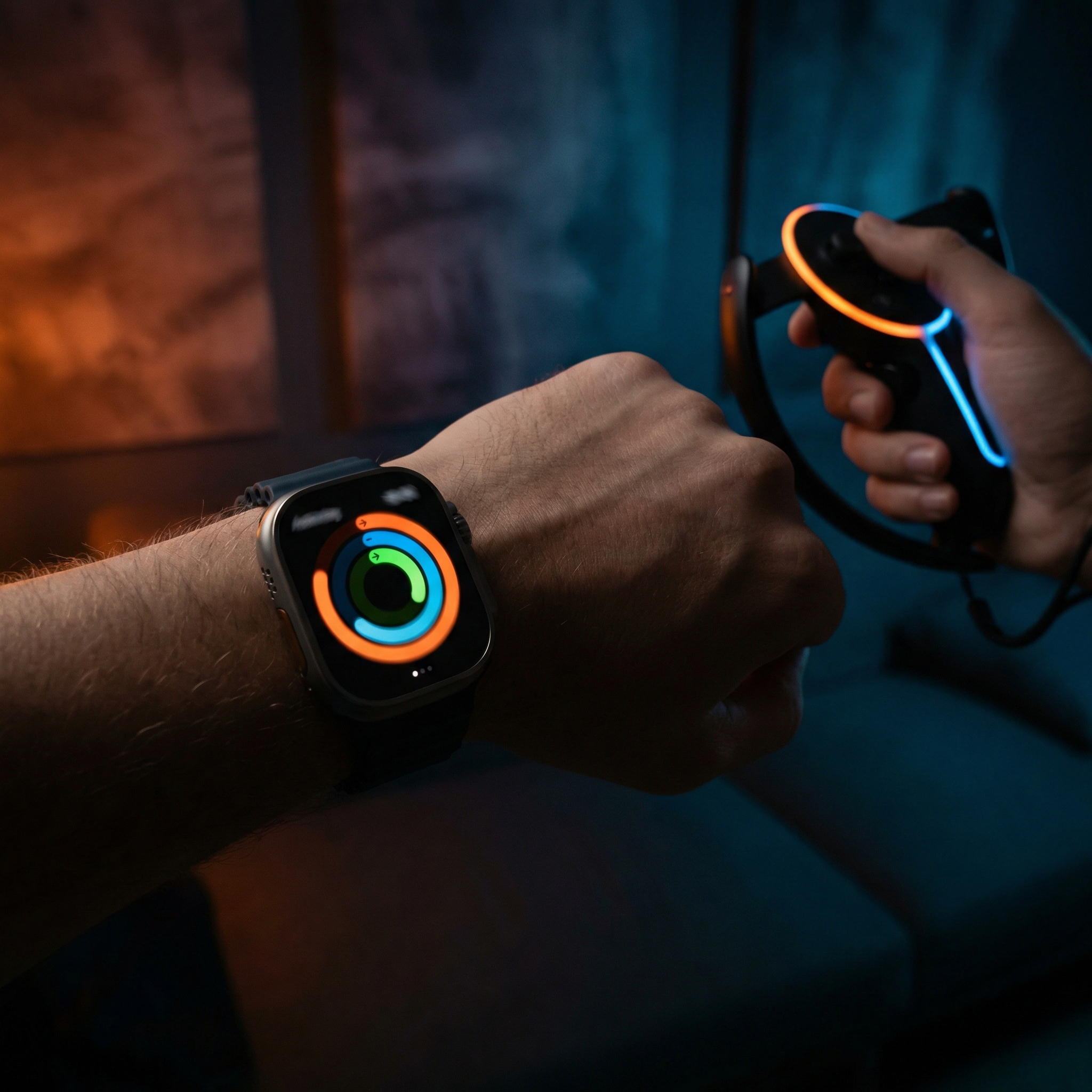
Sessions completed
Total minutes trained
Effort (average 1–10)
Next-day soreness
Motion comfort (better/worse)
Repeat one benchmark class
Compare recovery speed
Notice coordination + footwork
Check consistency (missed weeks?)
If you’re still in the early adaptation stage, this helps set expectations: What to Expect in Your First 30 Days of VR Workouts.
Common VR Fitness Challenges (And Fixes That Actually Work)

- Motion discomfort: fan + shorter sessions + avoid heavy locomotion early. Build tolerance like training, not like punishment.
- Knee/shoulder irritation: reduce impact, slow down, shorten range, choose lower-impact modes, increase warm-up and cooldown.
- Overtraining: if every session is “hard,” the plan dies. Keep 1–2 sessions easy/moderate weekly.
- App hopping: commit to one core app for 4 weeks. Progression needs consistency, not novelty.
- Motivation drop: build accountability. Start here: VR Fitness Community Support Groups.
Your VFQ Path (Use These With This Plan)
- Start Here: Getting Started With Virtual Reality Fitness
- First month expectations: What to Expect in Your First 30 Days of VR Workouts
- Quest/FitXR lane: Meta Quest 3 + FitXR
- Consistency support: VR Fitness Community Support Groups
Last updated: February 2026 • Virtual Fitness Quest
FAQ: The 12-Week VR Fitness Transformation Plan
How do I start the 12-week VR fitness transformation plan?
Run a baseline week first: set your VR space, pick one core app, do 3 moderate sessions (6–7/10), and track session length, next-day soreness, and motion comfort. Then begin Week 1 focused on consistency.
What is the 12-week VR fitness transformation plan?
It’s a structured virtual reality workout program that progresses through three phases: Foundation (Weeks 1–4), Build (Weeks 5–8), and Performance (Weeks 9–12). The plan combines conditioning, strength endurance, recovery, and deload weeks for sustainable results.
How many days per week should I train in VR?
3–4 days per week is the sweet spot for most people. 5 days can work if recovery is good, but keep 1–2 sessions moderate so you don’t burn out.
How long should each VR workout be?
Start at 15–25 minutes and build to 30–45 minutes. Increase time first, then intensity. If form drops or discomfort rises, shorten the session.
What if I miss a week?
Don’t “make up” missed sessions with punishment workouts. Resume at the previous week’s volume for a few sessions, then continue the plan.
What are the most common VR fitness challenges?
Motion discomfort, sore knees/shoulders, burnout from daily max effort, and plateaus around Weeks 5–8. Fixes are usually lower impact, a smarter intensity mix, deload weeks, and a repeatable schedule.
Educational fitness guidance only. Adjust for your body, your recovery, and your space.
I came on your website because I am interested in learning from you, even though I start a fitness tranformation many times sticking to it is my main problem.
Your how to get started plan has inspired and motivated me to get started with the 12-week VR fitness transformation. As you shared if consistency is a problem as it is for me, this could be the answer to my inconsistency.
The weekly template provides me with a nice variety, something I lack right now. This I think might be one reason I find it hard to stick with my fitness goals.
Possibly shorter session as suggested might keep me consistent, I tend to go crazy at first with long workouts but then after a short time lose my motivation and energy to keep at it.
Thank you for a very good starter plan,
Jeff